Transformer Reliability: How to Maximize Performance & Minimize Downtime
Transformers play a foundational role in powering modern businesses, facilities, and infrastructure across every industry. When they fail, downtime is far more than a minor inconvenience; it can lead to significant financial losses, reputational damage, and, in some cases, regulatory consequences.
Transformer reliability isn’t just about keeping your systems running; it’s about safeguarding operational stability and long-term asset health. Are you properly assessing the health and reliability of your transformers, or are hidden issues quietly putting your business at risk?
What is Transformer Reliability?
Transformer reliability refers to a transformer’s ability to perform consistently, safely, and efficiently over its expected service life, with minimal maintenance interruptions or unplanned outages.
In industrial and commercial environments, reliable transformers are the backbone of operations. They ensure stable voltage delivery, protect sensitive systems, such as hospitals, data centers, and manufacturing facilities, and reduce the costly consequences of downtime.
A transformer’s reliability is influenced by many factors, from design quality and installation to operating environments and ongoing maintenance practices. Understanding these factors enables operators to achieve long-term performance, cost efficiency, and peace of mind.
Why Transformer Reliability is Essential for Your Operations
No piece of equipment lasts forever, and modern transformers are no exception. While transformers are designed for long service lives, their performance can degrade over time due to electrical stress, insufficient maintenance, or environmental conditions. Understanding why reliability matters helps engineers and facility managers take proactive steps to prevent costly downtime and ensure long-term stability.
Preventing costly downtime
Unplanned transformer failure can halt entire production lines or disrupt utility services. In many cases, the resulting financial losses far exceed the cost of proactive inspection and maintenance programs.
According to industry estimates, every hour of downtime in vital applications can cost thousands or even tens of thousands of dollars in lost output. Investing in reliability-focused design and maintenance ensures consistent performance and reduces unexpected outages., Additionally, that investment protects timelines, budgets, and reputation.
Enhancing safety and compliance
Transformer reliability and safety are closely linked. Conditions such as electrical faults, sustained overheating, insulation degradation, or mechanical failures can increase the risk of arcing, fire, or damage to surrounding equipment if not properly managed. Maintaining reliable operation reduces the likelihood of these events and supports safer system performance.
Routine testing, inspection, and adherence to applicable industry standards—such as IEEE C57, ANSI, and IEC 60076—help establish consistent design, testing, and operating practices that support safe and reliable transformer use. While standards of compliance alone do not guarantee reliability, it provides an essential framework for managing risk, protecting personnel and infrastructure, and meeting regulatory and organizational safety requirements. In this context, improving transformer reliability supports not only performance goals, but also a sustained commitment to safety and compliance.
Supporting power quality and grid stability
Transformers are essential to power system voltage management, enabling efficient voltage conversion and supporting grid-wide regulation strategies. When equipped with tap changers and coordinated with reactive power resources, they help maintain acceptable voltage levels—supporting reliable power delivery to industrial equipment and sensitive infrastructure.
For utilities, this reliability translates into fewer service interruptions and improved public trust. For businesses, it means better productivity and equipment longevity.
Key Factors Impacting Transformer Reliability
Design and manufacturing quality
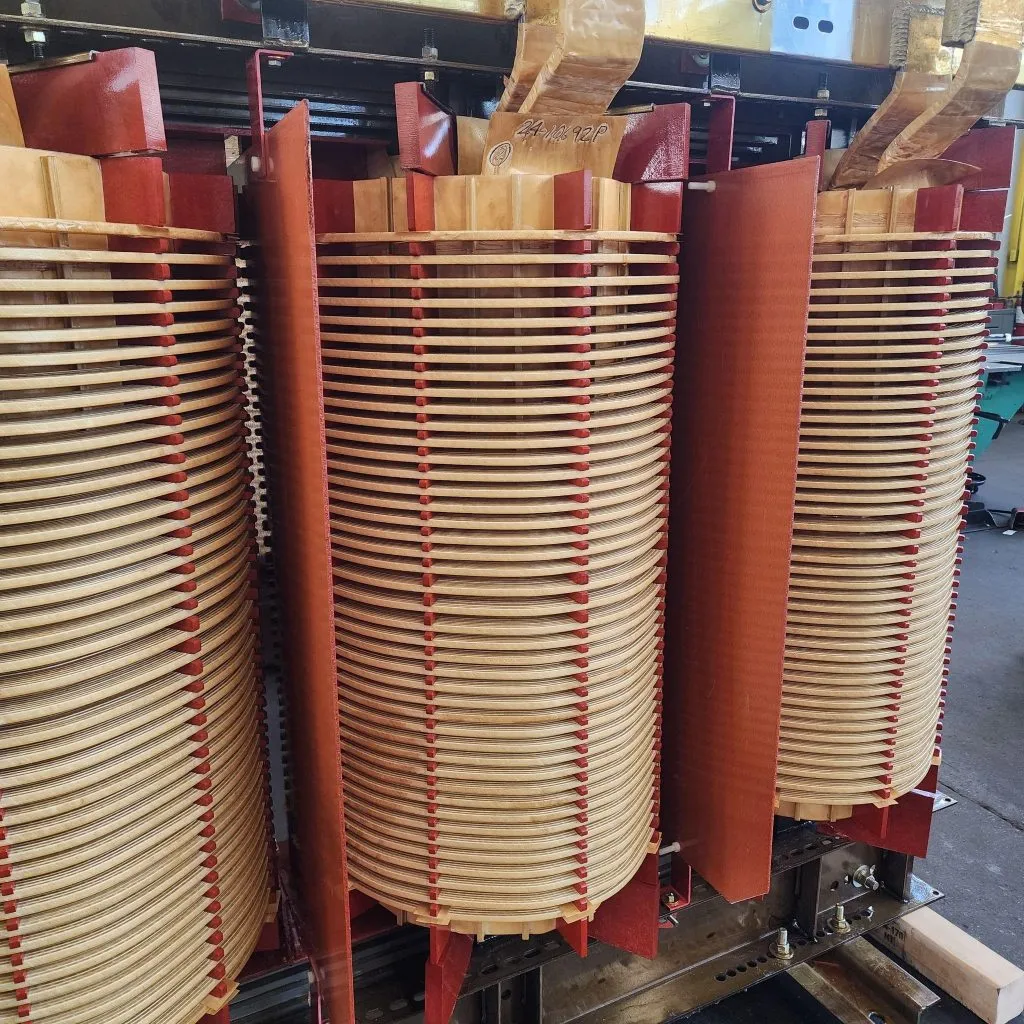
Transformer reliability starts with design. Choices related to core materials, winding construction, and insulation systems directly influence losses, thermal performance, and aging characteristics. Manufacturers that apply high-quality core steel, tight winding tolerances, and robust insulation systems produce transformers that maintain efficiency and reliability across a wide range of load and environmental conditions.
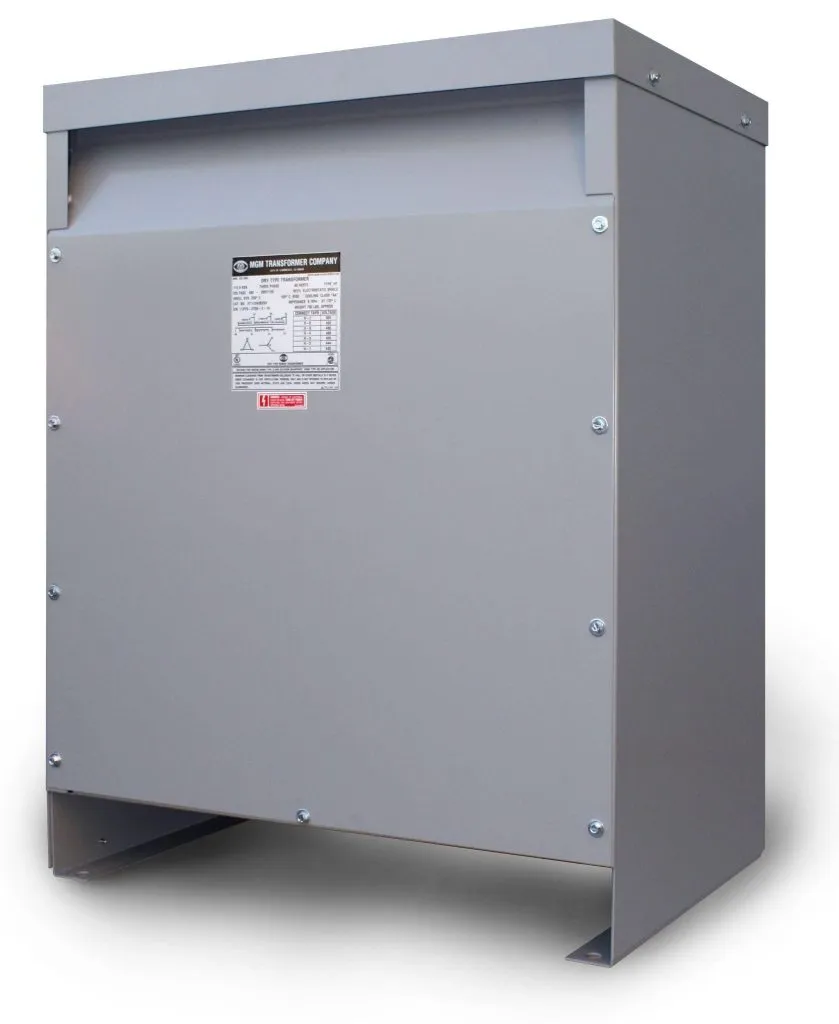
At MGM Transformers, our products are engineered to meet or even exceed industry standards, using cooling systems and superior materials that maximize durability and minimize energy losses.
Installation and commissioning practices
Even well-designed transformers depend on proper installation and system integration to achieve their intended service life. Mechanical placement, grounding integrity, and correct electrical terminations all influence how a transformer performs once energized. As part of the commissioning process, MGM supports verification efforts within the defined project scope—reviewing installation conditions, confirming critical connections, and supporting startup readiness. These practices help reduce early operational risks while recognizing that long-term performance depends on system operation, protection, and loading conditions beyond initial commissioning.
Maintenance and monitoring
Regular maintenance remains one of the most important factors in sustaining transformer reliability over time. Routine practices such as oil testing, insulation resistance checks, and thermographic inspections help identify early signs of aging, thermal stress, or mechanical wear.
In addition to these periodic activities, modern predictive monitoring technologies—including Dissolved Gas Analysis (DGA) (DGA) and smart sensing solutions—provide deeper insight into developing internal conditions. MGM now offers the capability to integrate onboard hydrogen (H₂) sensors or more advanced online dissolved gas monitoring systems that can perform DGA while the transformer remains energized. Continuous or nonrealtime gas monitoring improves visibility into fault related trends compared to infrequent manual oil sampling, enabling earlier awareness of anomalies and reducing reliance on costly field engagements to collect oil samples. Together, these approaches support more proactive maintenance planning while minimizing unplanned interruptions.
Environmental stressors
Transformers deployed in outdoor and industrial environments can be exposed to wide temperature ranges, humidity, airborne contaminants, and mechanical vibration. These conditions can contribute to elevated thermal stress, moisture ingress, and environmental wear over time, which may influence insulation of life and overall performance. While enclosure design alone cannot eliminate normal aging mechanisms, appropriate environmental protection can help limit unnecessary external stressors.
MGM supports transformer applications in demanding environments through thoughtful enclosure selection, protective coatings, and a range of available cooling and heat dissipation options tailored to the application. By matching enclosure and thermal management designs—such as natural air, forced-air, or application specific cooling arrangements—to site conditions and loading expectations, MGM helps reduce thermal risk factors and supports stable operation when combined with proper installation and maintenance practices.
Signs your Transformer may be at Risk
Early identification of developing faults or adverse environmental effects is critical to sustaining transformer reliability and avoiding unplanned outages. While some conditions may progress gradually, the following warning signs can indicate increased risk or declining performance:
- Elevated operating temperatures or abnormal noise, such as excessive humming, buzzing, or vibration beyond normal operating characteristics
- Low, fluctuating, or dropping oil levels, which may indicate leaks, thermal expansion issues, or compromised seals
- Abnormal oil pressure readings or frequent pressure relief device operation, potentially signaling gas generation, overheating, or internal faults
- Oil leaks, seepage, or changes in oil appearance, including darkening, cloudiness, or visible contamination
- Corrosion, rust, or deterioration on tanks, radiators, fittings, or bushing hardware
- Frequent breaker operations, protective relay alarms, or activation of current‑limiting or protective devices under normal operating conditions
- Evidence of insulation degradation or moisture ingress, often identified through testing or elevated dielectric losses
- Unusual gas generation or rising dissolved gas levels detected through oil analysis or online gas monitoring
- Partial discharge activity, audible, electrical, or detected through specialized monitoring methods
- Deterioration of bushings, including cracking, oil leakage, or abnormal temperature profiles
- Cooling system issues, such as inoperative fans, blocked radiators, or reduced oil circulation
By promptly addressing these warning signs and symptoms, organizations can reduce the risk of minor issues escalating into major, costly failures. MGM’s Customer Care Program supports customers across the transformer lifecycle, beginning with startup and commissioning services and extending through condition assessment, monitoring options, and maintenance planning support. Backed by an extensive service partner network and experienced in-house technicians and field service engineers, MGM can support a wide range of planned and unplanned site needs—helping customers respond more effectively to emerging issues and maintain long-term asset reliability.
Best Practices to Improve Transformer Reliability
Routine testing and condition monitoring
Implement a structured predictive maintenance approach that combines routine testing with targeted condition monitoring. Techniques such as dissolved gas analysis (DGA), partial discharge testing, and thermal imaging provide valuable insight into developing electrical, thermal, and insulation related issues that may not be visible through visual inspection alone. When applied consistently and trended over time, these tools help identify abnormal conditions at an early stage—supporting proactive maintenance decisions and reducing the likelihood of unexpected failures or unplanned outages.
Scheduled maintenance and record keeping
Establish a consistent maintenance schedule supported by clear, well-organized record keeping. Maintenance logs should document inspections, test results (such as oil analysis or insulation resistance measurements), and any repairs or component replacements performed over time. Maintaining an accurate service history enables engineers to evaluate condition trends, correlate findings across inspection cycles, and make more informed decisions about future maintenance needs, upgrades, or operational adjustments.
Upgrading aging transformers
As transformers age, insulation systems, mechanical supports, and auxiliary components are typically more susceptible to thermal, electrical, and environmental stress, which can affect long-term reliability. Rather than relying solely on age as a replacement trigger, best practice is to evaluate condition and performance trends when determining upgrade or life extension options.
In some cases, targeted enhancements—such as improved cooling components, upgraded protection or monitoring systems, or the addition of digital condition monitoring—can help extend useful service life and improve operational visibility. When condition assessments indicate that refurbishment is no longer practical or cost-effective, replacing aging units with modern transformer designs can deliver benefits such as improved efficiency, updated insulation systems, enhanced monitoring capabilities, and alignment with current codes and operating requirements.
Training and technical expertise
Ultimately, transformer reliability depends on people. Properly trained technicians ensure correct installation, testing, and maintenance: the foundation of every reliable transformer. MGM Transformers supports clients through expert consultation, training, and on-site reliability assessments to help your team operate safely and confidently.
Industry Standards and Guidelines that Shape Transformer Reliability
Industry Standards and Guidelines that Shape Transformer Reliability
Transformer design, testing, and application are guided by internationally recognized standards that establish baseline requirements for performance, safety, and consistency across the industry. These standards support reliable transformer operation by defining acceptable design practices, test methods, and operating limits throughout the equipment lifecycle.
- IEEE C57 Series: Defines ratings, design practices, insulation and temperature limits, testing requirements, and application guidance for power and distribution transformers.
- IEC 60076: Addresses transformer construction, dielectric performance, temperature rise limits, testing procedures, and safety considerations for global applications.
- NEMA TR‑1: Establishes efficiency, thermal, mechanical, and sound level guidelines for distribution transformers, supporting consistent performance across installations.
Adherence to these standards helps ensure transformers meet defined performance and safety expectations. However, long-term reliability ultimately depends on proper specification, installation, system operation, monitoring, and maintenance in addition to standards compliance.
Partnering with MGM Transformers for Reliable Power
Transformer reliability is not a one-time exercise—it is a continuous process shaped by sound design, proper installation, preventive maintenance, and ongoing condition awareness throughout the asset’s life. Taking a proactive, structured approach to reliability helps organizations reduce operational risk, improve efficiency, and support resilient power infrastructure.
By prioritizing routine maintenance, informed monitoring, and timely intervention, transformer owners can safeguard uptime, extend equipment life, and make more confident decisions about maintenance and capital planning. These practices support both performance and long-term value, particularly as operating environments and system demands continue to evolve.
For more than 50 years, MGM Transformers has manufactured high efficiency, custom engineered transformer solutions for industrial, utility, and renewable energy applications across North America. Backed by engineering expertise, rigorous testing practices, and a focus on lifecycle reliability, MGM supports customers not only in equipment design and manufacturing, but also through startup, commissioning, and ongoing support via its Customer Care Program.
Through technical consultation, training, condition assessment, and access to in‑house technicians and a broad service partner network, MGM helps customers address both planned and unplanned support needs—strengthening transformer reliability from initial energization through long-term operation.
Learn more about how MGM Transformers supports America’s current and future energy demands. Contact MGM Transformers to explore custom engineered transformer solutions and lifecycle support options.
FAQs
1. What are the biggest causes of transformer reliability issues?
Transformer reliability issues most often develop due to a combination of thermal, electrical, mechanical, and environmental stresses over time. Common contributors include sustained overheating, insulation of system degradation, moisture ingress or contamination, and inadequate maintenance practices. In liquid filled transformers, oil condition and insulation health are critical factors, while in dry‑type units, restricted airflow, contamination, and thermal cycling are frequent concerns.
External operating conditions can also accelerate deterioration. Factors such as continuous overloads, unbalanced or fluctuating loads, excessive vibration, poor cooling performance, and harsh environmental exposure can place additional stress on transformer components. While these conditions may not cause immediate failure, their effects often compound gradually. Regular condition monitoring, trend analysis, and preventive maintenance help identify emerging risks early and significantly reduce the likelihood of unplanned outages.
2. How often should transformers be tested or inspected to ensure reliability?
Inspection and testing intervals for transformers are often defined by a combination of regulatory requirements, owner maintenance standards, and application specific risk factors. Authorities Having Jurisdiction (AHJs), utilities, insurers, or asset owners may prescribe minimum inspection frequencies based on safety, regulatory compliance, or operational risk.
Beyond mandated requirements, best practice is to adjust inspection and testing frequency based on transformer type, loading profile, environmental conditions, and criticality to operations. For many commercial and industrial applications, routine visual inspections are commonly performed quarterly, while periodic testing—such as oil analysis, insulation resistance measurements, or thermal imaging—is conducted annually to evaluate condition trends.
Transformers serving high load or mission‑critical applications, such as data centers, hospitals, and industrial processes, often benefit from more frequent diagnostics. In these environments, dissolved gas analysis (DGA), advanced testing, or online monitoring may be performed semi‑annually or continuously to provide earlier insight into developing conditions. Ultimately, trending data over time—combined with prescribed inspection requirements—provides the most effective foundation for reliability‑focused maintenance planning.
3. Can aging transformers still achieve high reliability?
Yes—age alone does not determine transformer reliability. Transformers are inherently long-lived assets, and many units continue to operate reliably for decades when properly designed, loaded, and maintained. Reliability is far more closely tied to condition, operating environment, and maintenance practices than to calendar age.
For existing transformers, condition assessments and monitoring play a critical role in sustaining reliability over time. Enhancements such as improved cooling components, upgraded protection or monitoring systems, and the integration of online sensing technologies can improve visibility into transformer health and help manage risk more effectively. While some components can be repaired or upgraded, the feasibility and value of refurbishment depend heavily on transformer design and overall condition.
When condition trends indicate that continued operation is no longer practical or cost-effective, replacement with a modern transformer design may offer the greatest reliability, efficiency, and lifecycle value. MGM Transformers applies its engineering expertise to help customers evaluate transformer condition, assess lifecycle options, and design solutions that support long‑term, reliable operation—whether through monitoring, maintenance planning, or new equipment.
4. How can I improve transformer reliability in harsh operating environments?
Improving transformer reliability in harsh environments starts with matching the transformer design and protection measures to site-specific conditions. Factors such as elevated temperatures, humidity, airborne contaminants, vibration, and restricted airflow can all increase mechanical and thermal stress if not properly addressed.
For liquid filled transformers, appropriate enclosure design, corrosion‑resistant coatings, sealed or protected bushings, and cooling arrangements suited to ambient conditions help limit environmental exposure and support effective heat dissipation. In environments with high humidity or contamination, attention to sealing, moisture control, and oil condition monitoring is especially important.
Dry‑type transformers are often well suited for indoor or space constrained installations where fire risk, oil containment, or ventilation limitations make liquid‑filled units impractical. However, dry‑type units remain sensitive to dust, moisture, and airflow restrictions, requiring proper enclosure selection, clearance, and routine cleaning to maintain performance.
Across all transformer types, regular inspection, cleaning, and condition monitoring are key best practices in harsh environments. Techniques such as thermal imaging, vibration assessment, electrical testing, and—where applicable—oil analysis or online monitoring help identify developing issues early. When combined with design considerations and maintenance practices tailored to environmental conditions, these measures support stable operation and long-term reliability.
MGM Transformers is part of Forgent Power. Forgent Power brings together over 100 years of experience across its family of brands, including MGM Transformers, VanTran, PwrQ, and States, providing high-performance electrical distribution solutions, accelerating industries to keep critical infrastructure running. For more information, visit www.mgmtransformers.com and www.forgentpower.com.

Recent Posts
Understanding the Different Types of Transformers: A Complete Guide for Industrial and Commercial Applications
Modernizing Power: How Transformer Design Is Reinventing Grid Reliability
The U.S. Electricity Grid: How Transformers Power a Smarter, More Resilient Future
Inside the Bull Rush Program: Advancing American Transformer Production and Delivery