The U.S. Electricity Grid: How Transformers Power a Smarter, More Resilient Future
Transformers are the quiet backbone of modern life. Explore how MGM Transformers supports America’s transition to a stronger, cleaner, and more resilient power network.
The Power Behind Everyday Life
Every morning, millions of light switches flip on at once, in homes, hospitals, and high-rises, and the country hums to life. Beneath that hum lies one of the most complex and invisible machines ever built: the U.S. electricity grid.
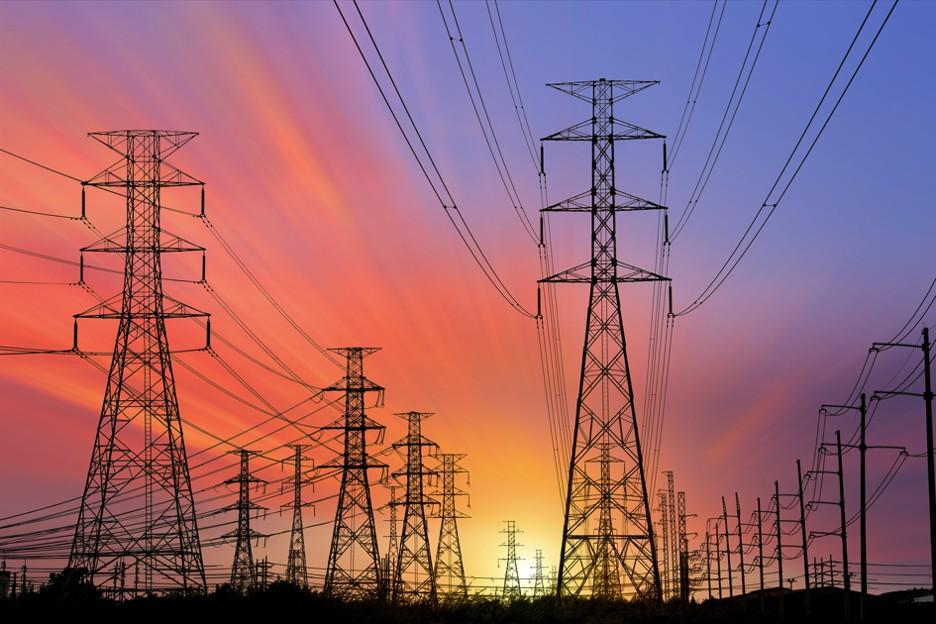
It’s easy to take for granted. We expect power to be instant, constant, and silent. According to nrel.gov, behind every click and current is a vast network of more than half a million miles of high-voltage transmission lines, delivering power to over 160 million homes, businesses, and institutions nationwide.
At the heart of this living network are transformers, quiet, steady machines that manage the balance between too much and too little. They’re the unseen translators of energy, converting raw electricity from power plants into something safe enough for our homes yet strong enough for our industries.
Recognizing the scale of this challenge, the U.S. Department of Energy (DOE) launched the $10.5 billion Grid Resilience and Innovation Partnerships (GRIP) program in 2022 under the Bipartisan Infrastructure Law. Administered through the DOE’s Grid Deployment Office, GRIP funds projects that modernize transmission systems, strengthen grid resilience, and expand clean-energy integration across the nation.
It’s a clear signal that America’s grid is no longer just a background utility; it’s the foundation of a cleaner, smarter, and more resilient energy future.
What Is the U.S. Electricity Grid and How Does It Work?
Think of the grid as America’s circulatory system. Power plants act as the heart, generating energy from gas, nuclear, hydro, and renewables. Transmission lines are the arteries that carry electricity across vast landscapes. Transformers are the valves, stepping voltage up for long-distance travel, then stepping it back down for safe delivery.
Without them, the system would collapse under its own weight. Wires would overheat, energy would spill away as waste, and the country’s heartbeat would falter.
But most people never notice the grid until something goes wrong — a blackout, a storm, a sudden silence where the hum used to be.
| 💡 Did You Know?Every major U.S. city relies on thousands of transformers working in harmony. Most have been in service for decades, built to endure, but never meant to carry today’s digital world. |
What Challenges Does the U.S. Power Grid Face Today?
America’s electricity grid is like an aging highway system, built for a kind of traffic that no longer exists.
Power once flowed predictably, in one direction: from power plant to plug. Now it’s rush hour all day long. Homes with rooftop solar, sprawling wind farms, and countless EV chargers send energy back and forth, and the old roads weren’t paved for that.
The U.S. Department of Energy’s 2023 statistics show that nearly 70% of transformers and transmission lines are more than 25 years old. Each new heatwave, wildfire, or hurricane pushes this aging infrastructure to its limits, revealing cracks in the foundation of America’s power system.
Technically, the problem is cumulative. As transformers age, their magnetic cores degrade, insulation dries, and efficiency slips. They struggle to handle modern load fluctuations, and this inefficiency turns into lost energy, higher costs, and greater vulnerability.
Still, within every strain is an opening: a chance to rebuild something stronger, more flexible, and better prepared for a changing world.
| 💡 Quick Explainer: What Modernizing the Grid Really Means Upgrading the grid isn’t just replacing old parts. It’s redesigning how electricity moves. With better materials, smarter monitoring, and stronger systems, power can flow safely in every direction, whether from a rooftop solar array, a wind farm, or a local hospital. |
How Aging Equipment Affects Reliability
Across the U.S., the heartbeat of the grid is slowing. Many of the transformers built decades ago are still powering today’s electrified, digital world, even though they were never designed for modern levels of demand.
Field technicians across the country often notice the signs of transformer fatigue long before the rest of us do: a faint vibration where none should be, a little more heat in the coils, a maintenance window that keeps getting shorter. “You can feel when a transformer’s past its prime,” one veteran engineer says. “It still works, but it’s tired.”
Those observations echo findings from federal studies confirming the effects of transformer aging. As insulation and magnetic components degrade, performance declines gradually, often first showing up as excess heat, vibration, or reduced efficiency before a failure occurs. (Source: U.S. Department of Energy, Large Power Transformers and the U.S. Electric Grid, Office of Electricity Delivery and Energy Reliability, June 2012.)
That’s why modernization is as much about awareness as it is about resilience. Across the country, utilities and cooperatives, including members of the National Rural Electric Cooperative Association (NRECA), are upgrading their systems with transformers that not only deliver reliable power but also share essential performance data through simple monitoring add-ons.
Manufacturers like MGM Transformers build distribution and medium-voltage transformers that can include Modbus Ethernet ports, allowing operators to monitor voltage, temperature, and load from miles away.
It’s not futuristic; it’s practical foresight.
Modernization, in the end, isn’t just maintenance. It’s preparation, ensuring the hum of the grid never fades.
The growing role of modernization and monitoring is reflected in the nation’s broader renewable energy expansion, as shown below.
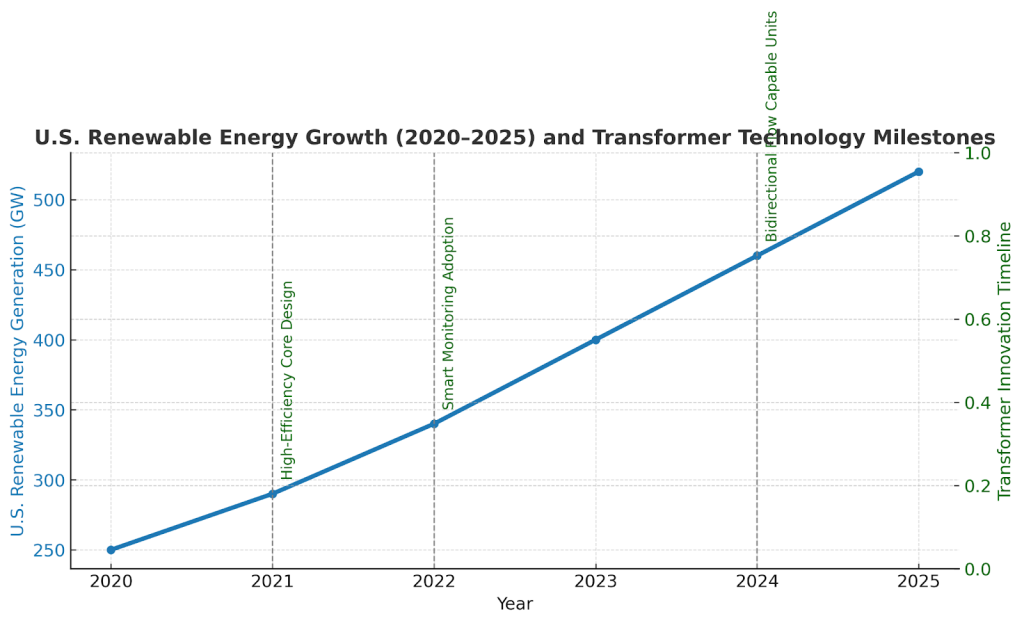
Figure 1. Growth of U.S. renewable energy generation from 2020 to 2025, shown alongside major transformer-technology milestones that enable grid modernization and renewable integration.
Sources: U.S. Energy Information Administration (EIA), Annual Energy Outlook 2024; U.S. Department of Energy Grid Modernization Initiative; industry analysis by MGM Transformers.
Values and milestones shown for illustrative purposes. “Smart Monitoring Adoption” updated to reflect advanced monitoring and communication technologies available through customized transformer designs
A City Under Strain
Imagine a July afternoon in Texas, the air feels electric. Temperatures climb past 100°F, and every air conditioner hums in defiance. Demand surges.
At the city’s substation, engineers watch data scroll across screens. They see temperature spikes and voltage dips — the telltale signs of stress. Yet the power holds steady. Why? Because upgraded transformers are doing what they were built to do: absorb strain, balance load, and buy time.
These machines don’t just move power. They protect it. And for the millions who never think twice when the lights stay on, that invisible reliability is everything.
Why Grid Modernization Matters
Modernizing the grid isn’t just about the wires and steel, it’s about people. Every improvement protects someone’s morning routine, someone’s business, someone’s hospital shift.
New investment brings new resilience. Each transformer upgrade makes the system a little steadier under pressure, a little cleaner in operation, and a little more adaptable to tomorrow’s energy landscape.
Federal programs such as the Infrastructure Investment and Jobs Act and the DOE’s Grid Resilience and Innovation Partnerships (GRIP) are driving this transformation. But the work happens on the ground, through manufacturers, utilities, and engineers quietly replacing the backbone of America’s power system piece by piece.
In simple terms, modernization means the hum stays constant, no matter what’s happening outside your window. And at the center of that modernization effort is transformer design, the quiet craft of engineering reliability into every watt that moves across the grid.
How Transformer Design Strengthens Grid Reliability
Reliability isn’t luck; it’s design.
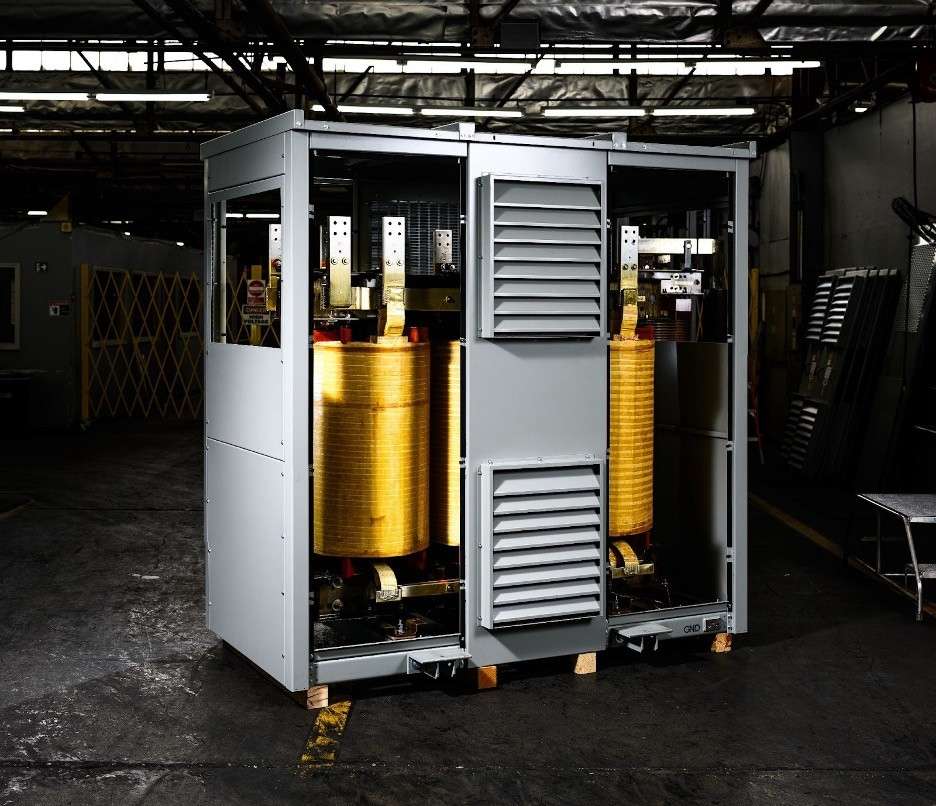
Inside every modern transformer are details most people never see but everyone depends on: finely wound coils, precision-cut steel, and insulation designed for decades of stress.
MGM Transformers’ engineering process focuses on three pillars:
- Custom Engineering: Each unit is built to suit its environment — coastal humidity, desert heat, mountain cold.
- High-Efficiency Cores: These reduce heat loss and increase stability, lowering costs over time.
- Optional Monitoring: Add-ons like Modbus ports provide data that helps prevent small variances from becoming large failures. The outcome isn’t just power. It’s peace of mind.
The Future of Power in America
The grid’s hum tells the story of a nation in motion. Data centers, EV fleets, and smart cities are reshaping demand faster than ever before.
Behind the scenes, manufacturers like MGM Transformers are ensuring that the physical grid, the steel, copper, and engineering beneath the software, keep pace.
The company’s locally made, efficient transformers are helping utilities modernize from the ground up, supporting the integration of renewables and future-ready infrastructure.
Because powering the future isn’t just about innovation; it’s about endurance, awareness, and the quiet reliability that defines progress.
Conclusion
Powering America’s Tomorrow.
From local substations to national policy, the grid’s transformation is already underway. With every new installation and innovation, the U.S. moves closer to a future defined by reliability, sustainability, and independence.
MGM Transformers stands at the heart of this effort. By combining engineering precision with American manufacturing, the company helps utilities, cities, and industries strengthen their infrastructure quietly and confidently.
The future of the grid won’t be defined by noise or flash. It will be measured by consistency, trust, and resilience. When the lights stay on during a storm, when a hospital runs uninterrupted, or when renewable energy connects seamlessly to the grid, that steady hum in the background tells the real story.
It’s the sound of progress, and it’s powered by transformers built for the future.
Learn more about how MGM Transformers supports America’s energy future: Contact MGM Transformers now!
MGM Transformers is part of Forgent Power. Forgent Power brings together over 100 years of experience across its family of brands, including MGM Transformers, VanTran, PwrQ, and States, providing high-performance electrical distribution solutions, accelerating industries to keep critical infrastructure running. For more information, visit www.mgmtransformers.com and www.forgentpower.com.
Recent Posts
Understanding the Different Types of Transformers: A Complete Guide for Industrial and Commercial Applications
Transformer Reliability: How to Maximize Performance & Minimize Downtime
Modernizing Power: How Transformer Design Is Reinventing Grid Reliability
Inside the Bull Rush Program: Advancing American Transformer Production and Delivery